Beams wins Best Pitch 2026 at the INPI Pitch Contest during VivaTech, organized with WIPO and HEC Paris, recognizing its innovation in surgical oncology.
Explore the latest research, news, and clinical perspectives advancing intraoperative tumor detection.

Beams wins Best Pitch 2026 at the INPI Pitch Contest during VivaTech, organized with WIPO and HEC Paris, recognizing its innovation in surgical oncology.
Read article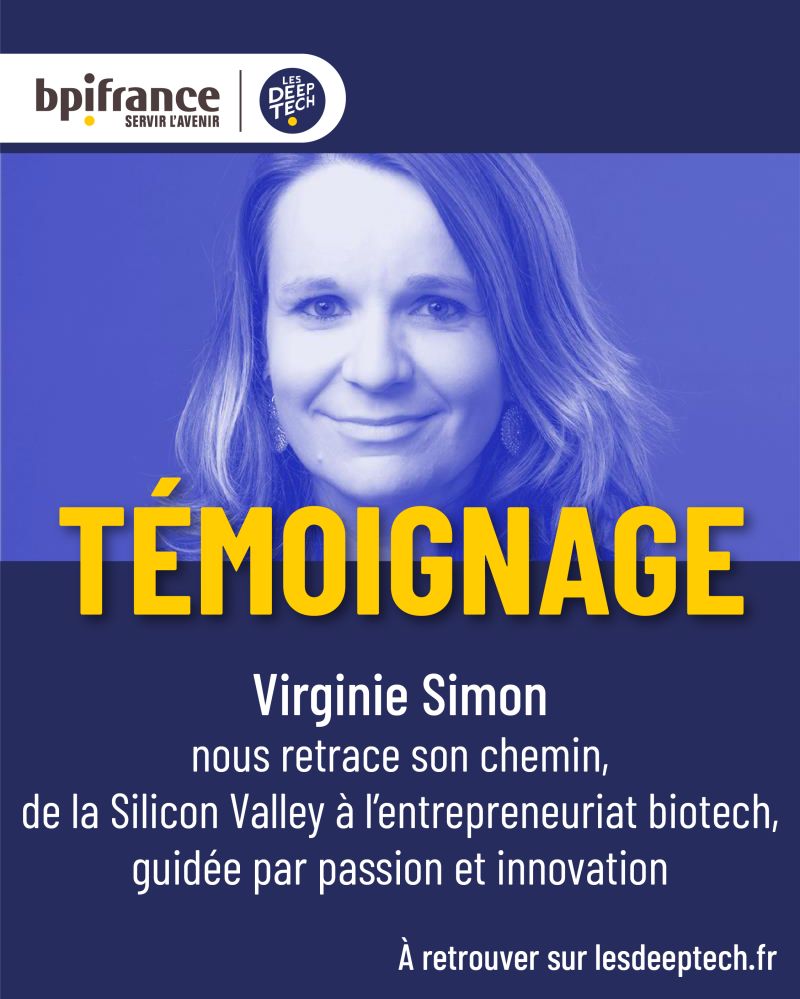
Beams’ co-founder and president, Virginie Simon, was recently profiled by Les Deeptech, an initiative of Bpifrance highlighting deeptech leaders. The feature shares Virginie’s inspiring journey and the vision driving Beams as it develops innovative tools to transform intraoperative cancer care.
Read article
As part of the 10th anniversary of the 3DEXPERIENCE Lab acceleration program, Beams was invited to present its technology on BFM Business. This opportunity allowed us to share our mission, our scientific roots, and our approach to improving surgical precision through real-time intraoperative tumor detection.
Read article
In 2023, CNRS Île-de-France published an article highlighting Beams’ work on developing a new tool to improve the completeness of tumor ablations during surgery. This recognition underscores the strong scientific roots of the project and its contribution to advancing precision in surgical oncology.
Read article
In 2023, Beams was selected as a laureate of the i-Lab Innovation Competition, France’s leading national program supporting deeptech startups. This milestone recognizes the scientific maturity of the project and supports the transition from advanced research to pre-industrial medical technologies.
Read article
In 2023, Beams was selected in the Challenges magazine list of the 100 startups to invest in, a benchmark ranking highlighting the most promising French technology ventures. This recognition underscores the relevance of Beams’ scientific approach and its long-term potential in medical and nuclear technologies.
Read article
In 2023, Challenges magazine published a dedicated article highlighting Beams’ work in developing intelligent technologies to improve cancer treatment. This media coverage reflects the growing recognition of Beams’ approach at the intersection of science, healthcare, and deeptech innovation.
Read article
In 2023, Université Paris-Saclay published an article highlighting Beams’ work in medical technologies serving surgical oncology. This recognition emphasizes the strong scientific foundations of the project and its roots in academic research translated into clinical innovation.
Read article
In 2023, Techniques de l’Ingénieur published an article highlighting Beams’ work on real-time detection of tumor tissues during surgery. This coverage emphasizes the technological and scientific foundations of the solution, as well as its potential impact on surgical oncology.
Read articleExplore detailed insights into intraoperative detection, radioguided surgery, and the technology shaping the future of surgical oncology.
Intraoperative detection leverages advanced scintillation detectors and PET radiotracers to identify residual tumor tissue in real time. This approach provides surgeons with actionable feedback, enhancing precision and supporting confident decision-making during critical procedures.
PET radiotracers enable highly sensitive localization of cancerous tissue by emitting signals detectable by specialized probes. Their use in surgery allows for sub-millimetric accuracy, reducing the risk of residual tumor and improving patient outcomes.
Detection systems are designed for seamless integration into existing surgical workflows. Ergonomic probes and intuitive interfaces ensure that surgeons can access nuclear information without disrupting procedural efficiency or sterility.
Surgeons, patients, and hospitals all benefit: surgeons gain real-time guidance, patients experience improved surgical outcomes, and hospitals see enhanced procedural efficiency and reduced reoperation rates.
Ongoing collaborations with leading clinical teams and published studies demonstrate the efficacy of intraoperative nuclear detection. Evidence highlights improved margin assessment, reduced recurrence rates, and safe integration into diverse surgical environments.
Human-centered design principles guide the development of detection tools, prioritizing intuitive operation, ergonomic handling, and clear visual feedback. This ensures that advanced technology remains accessible and effective in the demanding environment of the operating room.